Hyperpigmentation
Dark lips from smoking: how smoker's melanosis darkens the lips and how to correct it
Smoker or shisha lover, and your lips have turned brown or black? Understanding smoker's melanosis and how colour-correcting neutralisation fades these patches.
By Majida, Studio Founder • 25 September 2026 • 3 min read
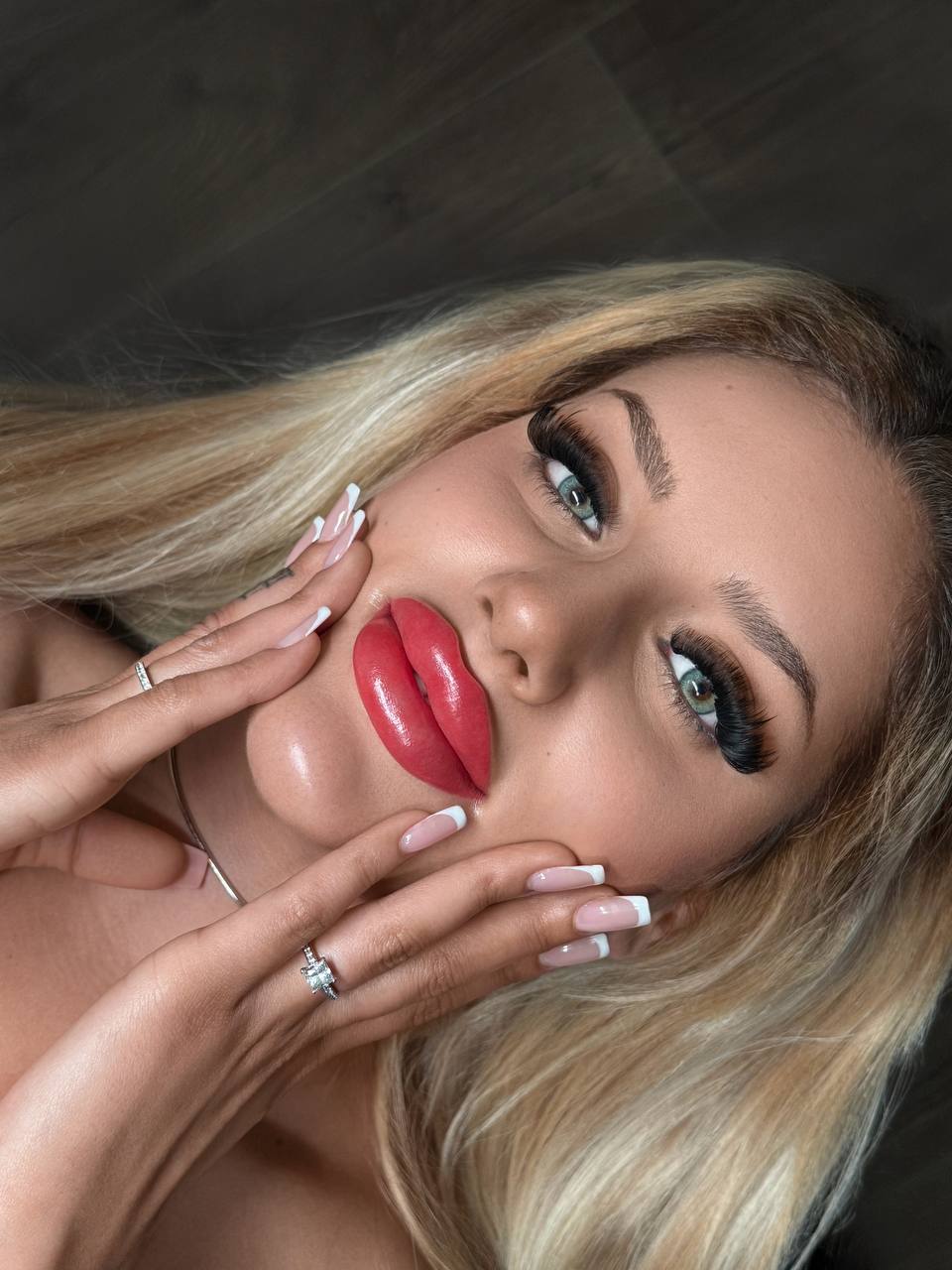
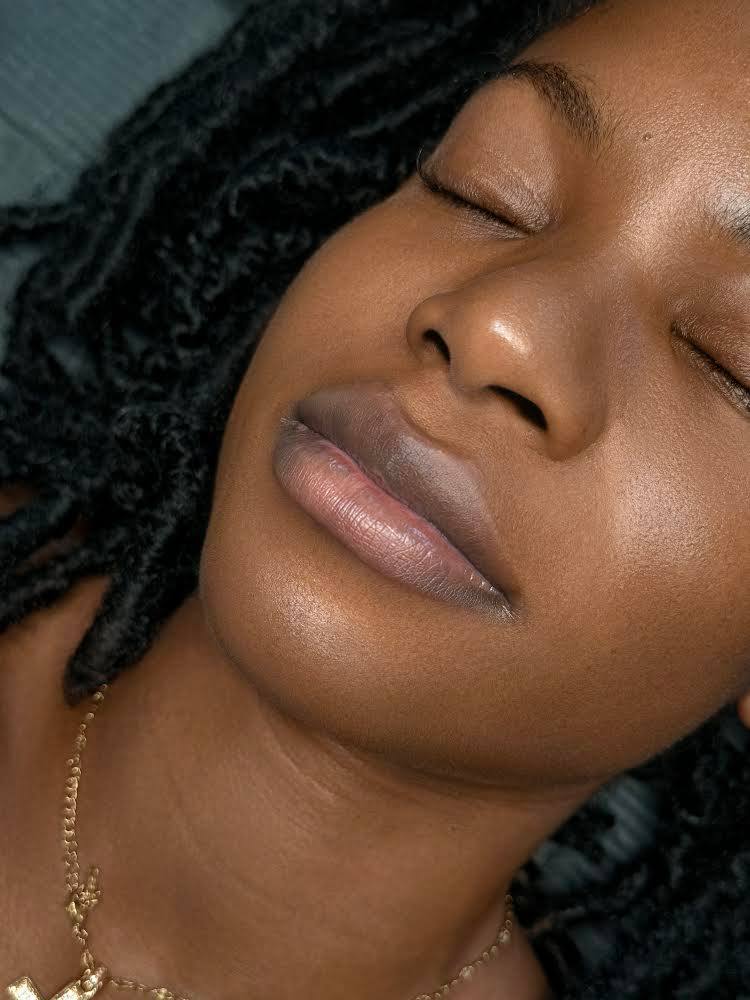
Many smokers notice over the years that their lips — especially the lower lip — take on a dark, grey, brown or purplish tone. This cosmetic change has a medical name: smoker's melanosis. How does it happen, and why aren't ordinary balms enough to fade it?
The mechanism: how smoke stimulates melanin
Smoker's melanosis is a natural defence reaction of the tissue to several repeated aggressions:
- Direct heat: continuous contact with a hot cigarette filter or shisha hose causes chronic micro-inflammation.
- Nicotine and hydrocarbons: these substances directly stimulate the lip melanocytes, which produce excess eumelanin to protect the lips.
- Reduced blood oxygenation: carbon monoxide affects microcirculation, giving the lips that typical purplish or bluish look.
Is quitting smoking enough to get pink lips back?
Quitting stops melanin from building up, but natural fading is extremely slow: it often takes several years, and is usually incomplete because the melanin remains deep in the skin.
Dark Lip Neutralisation: the most effective solution
To fade these marks for the long term, Dark Lip Neutralisation is the treatment of reference:
- Warm pigments (orange coral) are placed to optically cancel grey and brown tones.
- Gradual lightening over 2 to 4 sessions.
- A natural, healthy and radiant result, for women and men alike.
Read our complete guide to dark lip neutralisation in Geneva.
Cigarettes, shisha, vaping: what are the differences?
- Cigarettes: heat, tar and nicotine act every day on the lower lip, which is often darker than the upper lip.
- Shisha: sessions are long and the heat of the hose is repeated; heavy users can see pigmentation appear quickly.
- Vaping: less tar, but nicotine and heat can still contribute to darker lips.
First steps to limit pigmentation
- Cut down or quit: the most effective lever. Pigmentation stops getting worse.
- Protect from the sun: an SPF 50 lip stick every day, as UV intensifies dark patches.
- Moisturise: a nourishing balm limits cracking and irritation.
- Avoid unregulated "whitening" products: some contain irritating substances that can make pigmentation worse.
Having Dark Lips while still smoking
It is possible. The result will be visible, but it will not last as long: smoke keeps stimulating pigment production. We advise not smoking for at least 72 hours after each session, and cutting down as much as possible over time. Many clients use the treatment as motivation to quit.
Dreaming of evenly toned lips?
Dark Lip Neutralisation at our Vernier (Geneva) studio: CHF 280 per session, 4-session package CHF 640.
Frequently Asked Questions
Does shisha darken lips more than cigarettes?+
Yes, dense shisha vapour inhaled for long periods contains a lot of glycerine and very hot toxins that speed up lip melanosis.
Can I smoke again after lip neutralisation?+
You must abstain for 48 to 72 hours. If you keep smoking afterwards, the results will hold but will need more regular yearly maintenance.
How many sessions does it take to remove smoking marks?+
It usually takes 2 to 4 sessions to fully even out lips darkened by smoking.
How long after quitting do lips get lighter?+
It varies a lot: sometimes a few months, sometimes never completely when the pigmentation is old. Neutralisation goes further and faster.
Does shisha darken lips more than cigarettes?+
In regular users it can darken lips quickly, because of the heat and the length of the sessions.
This article is for informational purposes and does not replace medical advice from a physician or dermatologist. In case of any concerning change in your lip color, please consult a healthcare professional.